
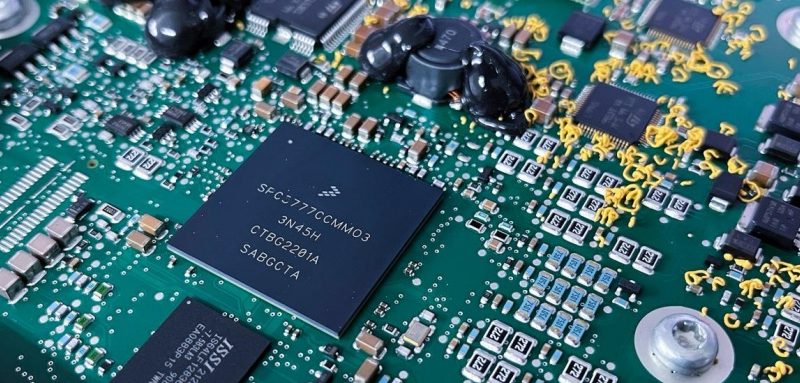
Automotive electronics technology is transforming how vehicles operate, communicate, and protect drivers and passengers. From advanced driver assistance systems (ADAS) and intelligent sensors to connected cockpits and electric vehicle control systems, electronic technologies are becoming essential to modern automotive design. As vehicles become smarter, safer, and more connected, understanding these technologies helps manufacturers, engineers, and technology businesses identify new opportunities for innovation.
In this article, we explore the major developments in automotive electronics technology, the systems driving vehicle intelligence, the role of simulation in product development, and the trends likely to shape the future of the automotive industry.
What Is Automotive Electronics Technology?
Automotive electronics technology refers to the electronic systems, components, sensors, control units, and software used to monitor and manage vehicle functions. These technologies support everything from engine and battery management to driver assistance, infotainment, connectivity, and vehicle safety.
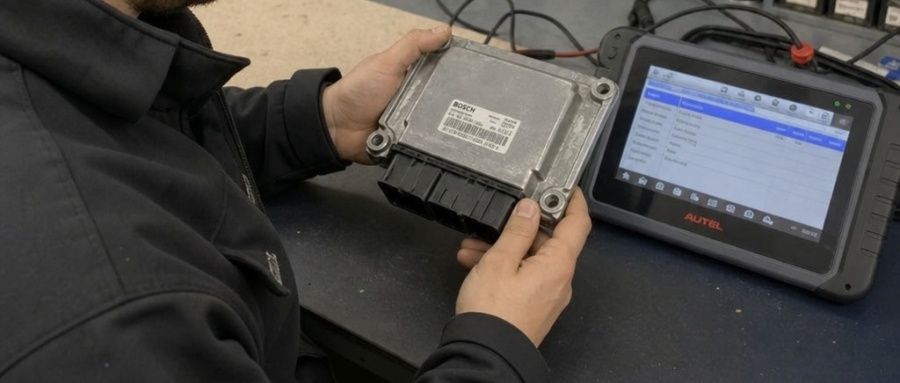
Modern vehicles rely on multiple electronic control units (ECUs) to process sensor data and control different systems. Depending on the vehicle design, these functions may include:
-
Vehicle control systems: Manage powertrain operation, braking, steering, and other vehicle functions.
-
Safety systems: Monitor vehicle conditions and support driver assistance and occupant protection.
-
Infotainment and cockpit electronics: Provide navigation, displays, audio, and driver information.
-
Connectivity systems: Enable communication between the vehicle, mobile devices, networks, and external infrastructure.
-
Electrification systems: Support battery management, power conversion, and electric motor control in electric vehicles.
As these systems become more integrated, automotive electronics technology increasingly combines hardware, embedded software, sensors, and data processing to deliver reliable vehicle performance.
Key Technologies Driving Automotive Electronics
Several technologies are playing a major role in the evolution of automotive electronics. Their combined development is helping vehicles become more intelligent, responsive, and connected.
Sensors and Electronic Control Systems
Sensors provide the information that electronic control systems need to understand vehicle conditions and respond to changes.
Depending on the application, automotive sensors can measure temperature, pressure, speed, position, acceleration, proximity, and other physical variables. The resulting data is processed by electronic control units, which use programmed logic to trigger actions or provide information to the driver.
For example, wheel-speed sensors support anti-lock braking systems, temperature sensors help monitor thermal conditions, and position sensors can support steering and powertrain control.
As vehicle systems become more sophisticated, sensor accuracy, response time, environmental durability, and integration with control electronics become increasingly important.
Advanced Driver Assistance Systems (ADAS)
Advanced Driver Assistance Systems (ADAS) use sensors, electronic control units, and software to help drivers identify hazards and manage driving situations.
Common ADAS applications include:
-
Adaptive cruise control
-
Lane departure warning and lane-keeping assistance
-
Automatic emergency braking
-
Blind-spot monitoring
-
Parking assistance
-
Surround-view monitoring
Depending on the system, ADAS may combine camera data, radar measurements, ultrasonic sensors, and other inputs to estimate the surrounding environment.
These technologies can support driver awareness and help reduce certain collision risks. Their effectiveness, however, depends on system design, sensor performance, software, environmental conditions, and the driver’s continued attention.
As ADAS develops, the need for reliable electronic hardware and effective coordination between sensing, processing, and vehicle control systems continues to grow.
Intelligent Cockpits and In-Vehicle Connectivity
Automotive electronics technology is also changing the driving experience inside the vehicle.
Intelligent cockpit systems integrate digital instrument clusters, infotainment displays, navigation, voice interaction, connectivity, and vehicle information into a more coordinated user experience.
Depending on the vehicle, these systems may support:
-
Digital dashboards and configurable displays
-
Navigation and real-time traffic information
-
Smartphone integration
-
Voice-controlled functions
-
Driver and passenger information systems
-
Connected vehicle services
In-vehicle connectivity enables vehicles to exchange information with mobile devices, cloud services, and, where supported, other vehicles or road infrastructure.
As these capabilities expand, automotive electronics designers must consider processing performance, data communication, cybersecurity, usability, and system integration.
Electrification and Battery Management
The growth of electric vehicles (EVs) has increased the importance of electronics used in energy storage, power conversion, charging, and motor control.
Key technologies include:
-
Battery Management Systems (BMS): Monitor battery parameters such as voltage and temperature and support battery protection and management.
-
Power electronics: Convert and regulate electrical energy within systems such as traction inverters and onboard chargers.
-
Electric motor control: Regulate motor operation to meet vehicle performance and efficiency requirements.
-
Thermal management controls: Monitor and coordinate thermal systems to help keep batteries and other components within appropriate operating conditions.
These systems must operate reliably under changing loads, temperatures, vibration, and electrical conditions. Their design requires careful coordination between electrical, electronic, thermal, and software engineering.
How Automotive Electronics Improve Vehicle Safety and Performance
Automotive electronics contribute to safety, performance, and convenience by allowing vehicle systems to monitor conditions and respond in a controlled manner.
Enhanced safety
Electronic braking controls, stability systems, airbag control units, and ADAS functions can help drivers manage specific hazards. Sensors and control logic allow these systems to respond to changing vehicle and road conditions.
Improved driving performance
Electronic engine and powertrain controls can coordinate operating parameters to support performance and efficiency. In electric vehicles, power electronics and motor controllers help regulate energy delivery and vehicle response.
Better energy management
Battery monitoring, charging controls, and thermal management systems help manage energy use and operating conditions in electrified vehicles.
Greater comfort and convenience
Digital displays, automatic climate control, parking assistance, and connected infotainment systems can make vehicles easier and more comfortable to use.
These benefits depend on the complete system, including hardware quality, software behavior, integration, validation, and appropriate maintenance. No individual electronic feature guarantees a particular safety or efficiency outcome.
The Role of Simulation in Automotive Electronics Development
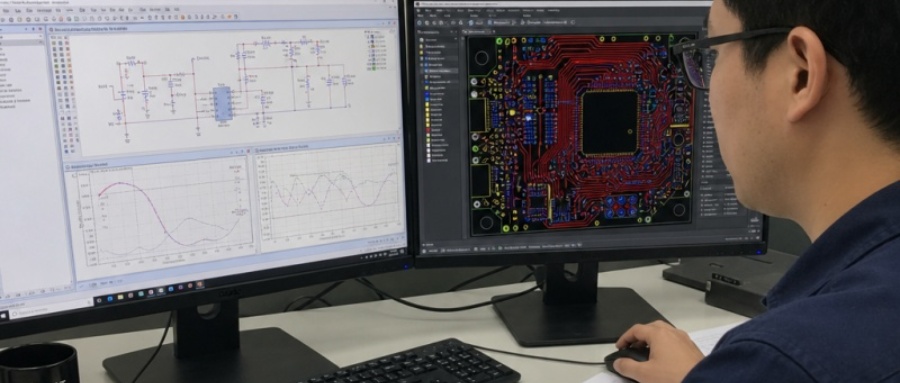
Simulation is an important tool in automotive electronics development. It allows engineers to evaluate designs and investigate system behavior before committing to every stage of physical prototyping and testing.
Depending on the project, simulation and modeling may be used to examine:
-
Circuit behavior under different operating conditions
-
Thermal performance and component temperature
-
Signal integrity and electromagnetic compatibility
-
Sensor behavior and system response
-
Interactions between electronic hardware and embedded software
-
Potential design issues before prototype testing
For example, thermal analysis can help engineers investigate heat concentration around power components, while circuit simulation can support the evaluation of electrical behavior under different loads.
Simulation does not replace physical testing. Real-world validation remains important because manufacturing variation, component tolerances, environmental conditions, and interactions between systems can affect actual performance.
A development process that combines simulation, prototype evaluation, and appropriate verification can help teams identify issues earlier and make more informed design decisions.
Challenges in Modern Automotive Electronics
Although automotive electronics technology continues to advance, its development presents several technical challenges.
Reliability in Demanding Environments
Automotive electronic systems may experience temperature changes, vibration, humidity, electrical transients, and long operating periods. Components and system designs must be selected and validated for their intended operating environments.
Increasing System Complexity
As vehicles integrate more sensors, control units, communication interfaces, and software functions, coordination between subsystems becomes more demanding.
Hardware and software teams need to consider interface compatibility, timing, fault handling, and system-level validation throughout development.
Electromagnetic Compatibility
Electronic systems must function correctly in environments containing electrical noise and electromagnetic interference. Circuit layout, grounding, shielding, filtering, cable routing, and testing may all contribute to electromagnetic compatibility (EMC).
Thermal and Power Management
Power electronics and densely integrated electronic systems can generate substantial heat. Engineers must consider component selection, board layout, thermal paths, enclosure design, and cooling requirements.
Functional Safety and Cybersecurity
Electronic functions that affect vehicle control or safety require appropriate hazard analysis, risk assessment, and verification. Connected vehicle systems also need protection against unauthorized access and data-related threats.
The relevant requirements depend on the system’s function, architecture, market, and intended use. Standards and regulatory obligations should therefore be assessed for each project rather than assumed to apply identically to every electronic component.
Future Trends in Automotive Electronics Technology
Automotive electronics is likely to continue evolving as vehicle electrification, automation, connectivity, and computing capabilities advance.
More Integrated Electronic Architectures
Some vehicle designs are moving toward domain-based or centralized computing architectures that consolidate functions previously distributed across multiple control units. This can change how electronic systems communicate, how software is developed, and how hardware platforms are designed.
Advancements in ADAS and Automated Driving
Continued development of cameras, radar, sensing technologies, processing hardware, and perception software is expanding the capabilities of driver assistance systems. The practical functions available in a vehicle will still depend on its design, validation, operating conditions, and applicable regulations.
Growth of Electric Vehicle Electronics
The continued development of electric vehicles is driving innovation in battery management, power conversion, charging systems, motor control, and thermal management. Improving efficiency, reliability, and integration remains important across these areas.
Connected and Software-Defined Vehicles
Connectivity and software updates are changing how vehicle features may be delivered and maintained over a vehicle’s lifetime. This trend increases the importance of secure communication, software lifecycle management, compatibility, and long-term support.
Greater Attention to Electronic Hardware Integration
As automotive systems become more complex, the relationship between circuit design, component selection, PCB layout, assembly, testing, and final product integration becomes increasingly important.
Electronic hardware must support the required electrical, mechanical, thermal, and environmental conditions of its intended application. Collaboration between design engineers and manufacturing teams can help identify practical constraints before production.
How PCBA Supports Automotive Electronics Technology
Automotive electronics technology depends on electronic hardware that can implement the functions defined during system design. Printed Circuit Board Assembly (PCBA) is one part of this process: electronic components are mounted and connected on a printed circuit board to create a functional electronic assembly.
PCBA may be used in applications such as vehicle control modules, sensor electronics, battery management systems, infotainment equipment, and other automotive electronic products. The requirements vary according to the function and intended operating environment.
The performance of an assembled board depends on several factors, including circuit design, component suitability, PCB layout, assembly process control, and the verification methods specified for the product.
For readers who want to explore the manufacturing side in more detail, see Fuxin PCBA’s related article, The Growth and Importance of Automotive Electronics PCBA Processing. It discusses automotive PCBA processing, the influence of autonomous driving and electric vehicles, millimeter-wave radar applications, and automotive PCB challenges.
For a closer look at hardware requirements, you can also read Difference Between Automotive PCB Boards and Regular PCB Boards.
Conclusion: The Road Ahead for Automotive Electronics
Automotive electronics technology is reshaping vehicle safety, performance, energy management, connectivity, and the overall driving experience. Sensors, ADAS, intelligent cockpits, electric vehicle control systems, and simulation tools are all contributing to this evolution.
As vehicles become more connected and electronically integrated, successful development will depend on coordinated hardware and software design, careful validation, and attention to reliability throughout the product lifecycle.
For businesses developing automotive electronic products, understanding both emerging technologies and the practical requirements of electronic hardware is an important step toward turning new ideas into dependable solutions.
Ready to Bring Your Automotive Electronics Project to Life?
Looking for a reliable partner for your automotive electronics project? Fuxin PCBA provides electronics manufacturing support for automotive applications, helping turn your designs into practical electronic assemblies.
Whether you are developing automotive control modules, sensor electronics, or other vehicle electronic systems, our team can discuss your project requirements and manufacturing needs.
Get a Quote Today — Contact Fuxin PCBA to discuss your project. Share your PCB design files, BOM, estimated order quantity, and key technical requirements to help us evaluate your needs and prepare a tailored quotation.