
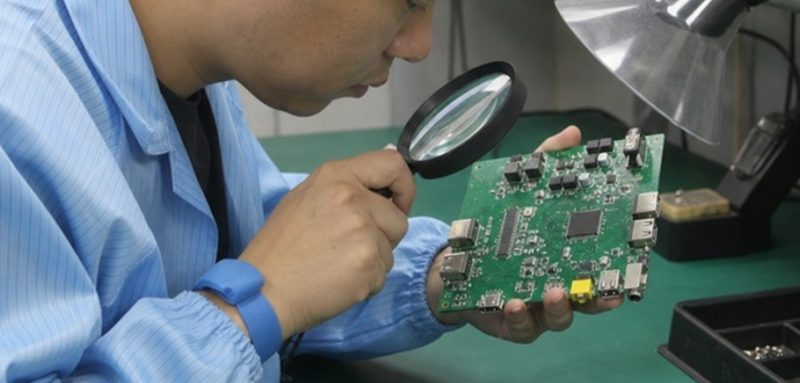
PCBA turns a bare printed circuit board into a working electronic product. It combines circuit board design, PCB fabrication, electronic components, soldering, inspection, and functional testing. At Fuxin PCBA, we work with consumer electronics teams every week — and the pattern is always the same: the projects that launch on time are the ones where the customer and the manufacturer talked through the details before production started. This guide is written for product teams building connected devices, wearables, home electronics, accessories, and smart hardware. It explains what to prepare, what problems to watch for, and how to move from prototype to production without losing the stable quality your customers expect.
What Is PCB Manufacturing and Why Does It Matter for Consumer Electronics?
PCB manufacturing is the process of creating the physical circuit board, while PCB assembly places and solders electronic components onto that board to create a PCBA. In consumer electronics, this matters because the board is often the heart of the product: it controls power, signal flow, connectivity, user input, charging, sensing, display functions, and product reliability.
A good consumer-electronics PCBA process does more than “build boards.” It connects design intent with manufacturable reality. A team may have a smart product idea, but if the layout is difficult to assemble, the BOM is unstable, or the inspection plan is weak, the product can face delays, inconsistent performance, or avoidable cost increases. That is why early alignment between circuit board design, PCB fabrication, sourcing, assembly, and testing is so valuable.
The Importance of PCBA in Consumer Electronics
Consumer electronics are judged quickly. A device that will not power on, charge properly, connect reliably, or survive normal daily use can damage customer trust. PCBA quality directly affects that first experience, especially in compact products where space, heat, component availability, and assembly tolerance all matter.
Fuxin PCBA approaches each project with a practical goal: help teams build boards that are ready for real-world use, not just lab validation. That means reviewing requirements, clarifying functional expectations, checking key production risks, and aligning the assembly process with the product’s target use case.
Key areas where PCBA influences product success include:
-
Performance consistency — stable soldering, correct components, and controlled processes help every unit behave as expected.
-
Production speed — clear files, complete BOM data, and early engineering review reduce avoidable back-and-forth.
-
Cost balance — smart BOM management helps teams avoid unnecessary overdesign while protecting essential quality.
-
Product reliability — inspection and testing help identify assembly issues before products reach customers.
-
Scalability — a design that is easier to assemble is usually easier to repeat when order volumes grow.
Why Consumer Electronics Demands “Fast AND Stable” PCBA
Consumer electronics teams often work under pressure. Launch windows are tight, product updates move quickly, and market demand can change suddenly. Speed matters, but speed without stability creates hidden risk: rework, field issues, late redesigns, and missed delivery expectations.
The right path for consumer electronics PCBA is not choosing between fast and stable. It is building a workflow where engineering review, material planning, PCB fabrication, electronic assembly, inspection, and communication move together. When files are checked early and production risks are discussed before assembly starts, the project can move faster with fewer surprises.
This is especially important for products such as:
-
Smart home devices and connected controllers
-
Wearables and compact personal electronics
-
Audio devices, chargers, adapters, and accessories
-
Home appliance control boards
-
LED products and display-related electronics
-
IoT sensors, gateways, and consumer monitoring devices
In each case, small PCBA decisions can shape the final user experience. Component placement can affect heat. Connector choice can affect durability. BOM substitutions can affect performance. Test coverage can affect confidence before shipment.
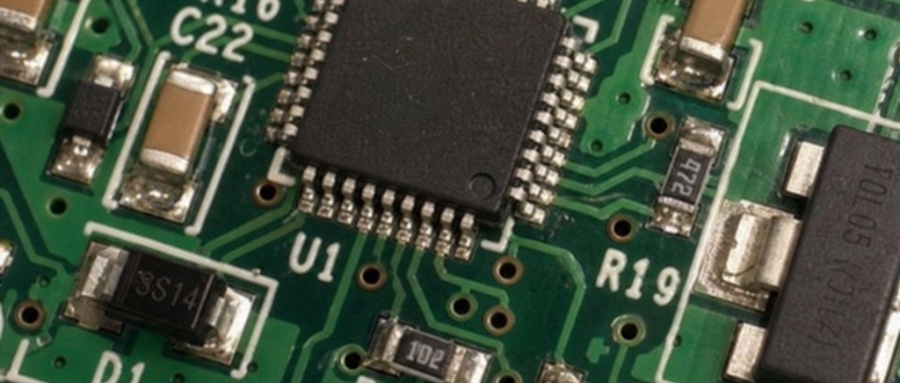
How We Approach Consumer Electronics PCBA
Our approach begins with understanding what the product must do, how it will be used, and what stage the project is in. A prototype build needs flexibility and engineering feedback. A production build needs repeatability, controlled sourcing, and clear acceptance standards.
Fuxin PCBA supports teams through a practical workflow:
-
Project review — confirm Gerber files, BOM, placement files, drawings, and special assembly notes.
-
Engineering feedback — identify visible risks related to layout, component fit, soldering access, polarity, spacing, or test points.
-
Material coordination — review electronic components for availability, lead time, and practical alternatives when needed.
-
PCB fabrication alignment — match board requirements with suitable fabrication capability, surface finish, layer structure, and panelization needs.
-
PCB assembly execution — place components, solder assemblies, and manage process control for the product type.
-
Inspection and testing — apply appropriate checks, such as visual inspection, AOI, functional testing, or customer-defined test steps.
-
Delivery communication — keep the team informed when questions, material issues, or production confirmations arise.
This process helps reduce ambiguity. Instead of treating manufacturing as a black box, it gives product teams a clearer view of what is needed before boards are built.
Common PCBA Problems in Consumer Electronics
Common PCBA problems in consumer electronics often start before the first board reaches the production line. A missing part number, unclear polarity mark, hard-to-source component, tight spacing, or incomplete test requirement can slow the build and create unnecessary uncertainty.
Typical issues include:
-
Incomplete BOM data — missing manufacturer part numbers, package details, or approved alternates make sourcing difficult.
-
Design-for-assembly conflicts — parts placed too close together, poor panelization, or limited soldering access can affect yield.
-
Component availability changes — consumer electronics often use fast-moving parts, so supply planning must be monitored.
-
Testing gaps — if there is no defined test method, it is harder to confirm whether the assembly performs as intended.
-
Thermal or power concerns — compact boards can create heat and current challenges that need early review.
-
Connector and mechanical mismatch — enclosure fit, cable direction, and user handling can affect long-term reliability.
The best way to avoid these problems is to bring the OEM/EMS contract manufacturer into the conversation early. A short design review before production can prevent longer delays later.
Challenges in PCB Manufacturing for Consumer Electronics
Challenges in PCB manufacturing for consumer electronics come from the pressure to make products smaller, smarter, more affordable, and easier to update. Many boards need dense layouts, mixed component packages, wireless functions, battery charging, sensors, or user-interface elements in limited space.
That creates practical manufacturing questions. Can the board be fabricated consistently? Are components available in time? Can the assembly be inspected properly? Does the test plan reflect how the customer will actually use the product? These questions are not paperwork; they shape cost, delivery, and final product confidence.
A stronger project package usually includes:
-
Gerber or fabrication files
-
BOM with approved part numbers and alternates
-
Pick-and-place file
-
Assembly drawings or polarity notes
-
Testing requirements or firmware loading instructions
-
Quantity, schedule, packaging, and delivery expectations
If your team does not have every detail ready, that is still a useful starting point. Sharing what you have allows the manufacturing team to identify what is missing and guide the next step.
A Real Example: When an Early BOM Review Saves a Launch
One customer came to us with a smart home controller ready for pilot production. The design was solid, but the BOM listed a Wi-Fi module that was on a 16-week lead time — the customer had not noticed the availability change. Our engineering team flagged it during the pre-production review and proposed two pin-compatible alternatives from the same module family. The customer approved one within 48 hours. The pilot run started on schedule. Without that early review, the launch would have slipped by at least three months.
Why Consumer Electronics Teams Choose Fuxin PCBA
Teams need more than a quote. They need a manufacturing partner that can understand the board, communicate clearly, and help protect the schedule from avoidable mistakes.
Fuxin PCBA is positioned for companies that want responsive consumer-electronics PCBA support for prototypes, pilot runs, and production preparation. The focus is on clear documentation, manufacturability awareness, sourcing coordination, and dependable electronic assembly.
You may be a good fit if you are:
-
Developing a new consumer electronics product
-
Moving from prototype to small-batch or volume production
-
Looking for PCB assembly support with engineering communication
-
Trying to improve BOM management and cost balance
-
Comparing OEM/EMS contract manufacturer options
-
Seeking a partner that can discuss PCB fabrication and assembly together
The goal is simple: help your team build the right board correctly, efficiently, and with fewer preventable production questions. Fuxin PCBA provides one-stop PCB assembly services for consumer electronics teams, from prototype to volume production